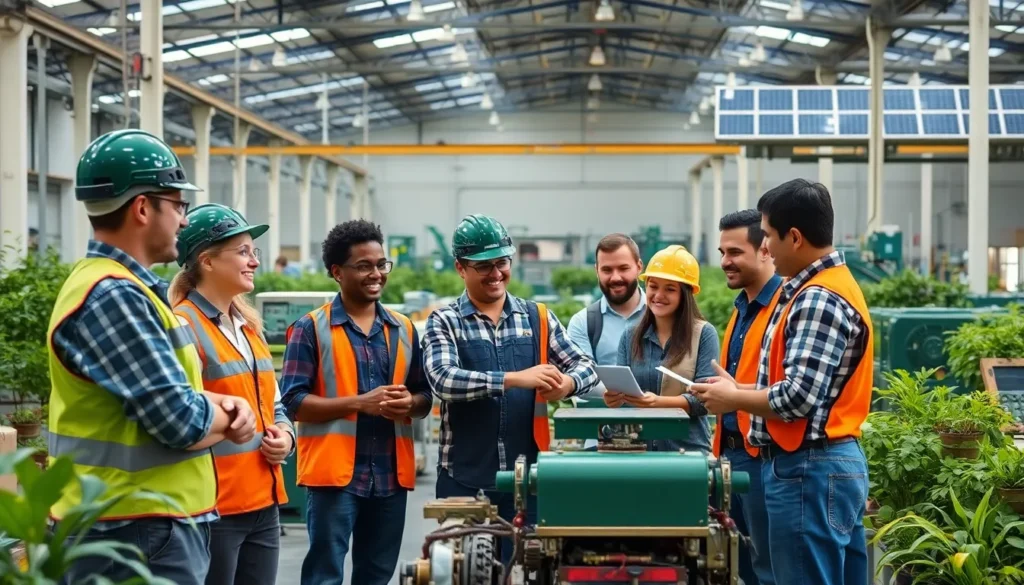
In a world where plastic straws are public enemy number one and climate change feels like an unwelcome houseguest, eco-friendly manufacturing is stepping up to save the day. Picture factories not belching smoke but instead exhaling fresh air and sprouting flowers—okay, maybe not that dramatic, but you get the idea. This green revolution isn’t just a trend; it’s a necessity.
What Is Eco-Friendly Manufacturing?
Eco-friendly manufacturing focuses on creating products with minimal environmental impact. This approach plays a significant role in addressing global environmental challenges.
Definition and Importance
Eco-friendly manufacturing refers to the production of goods using processes that reduce harmful effects on the environment. This practice incorporates sustainable materials, energy-efficient technologies, and waste reduction methods. Importance lies in its capacity to lower carbon footprints and conserve natural resources. By adopting eco-friendly practices, companies can enhance their reputation while complying with regulations aimed at preserving the environment. The transition to sustainable manufacturing practices signifies a commitment to a healthier planet.
Key Principles
Several key principles guide eco-friendly manufacturing. Resource efficiency involves using renewable materials and reducing waste throughout production cycles. Energy conservation highlights the reduction of energy consumption during manufacturing processes. Pollution prevention focuses on minimizing emissions and contaminants released into the air and water. Sustainable sourcing promotes the use of responsibly sourced raw materials, ensuring a smaller ecological footprint. Collaborating with suppliers also enhances sustainability efforts, fostering an ecosystem of environmentally responsible practices.
Benefits of Eco-Friendly Manufacturing
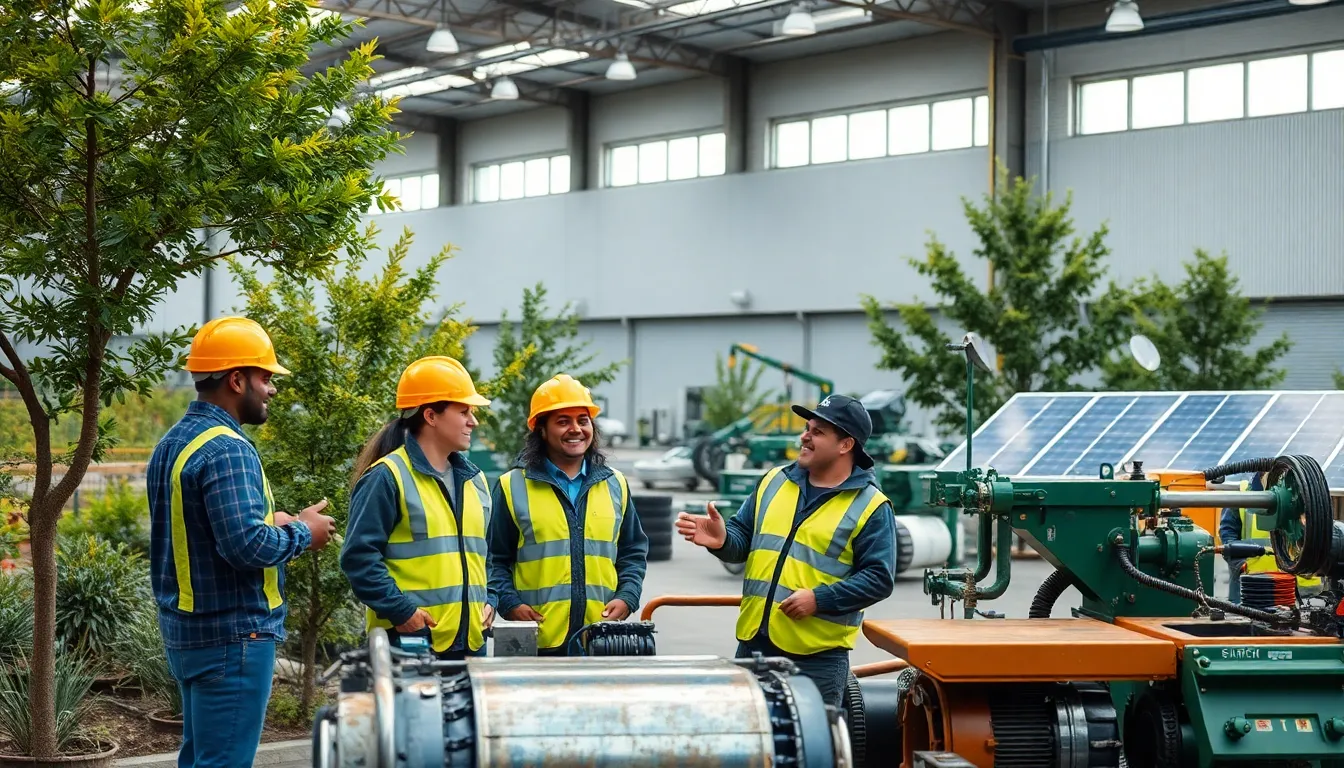
Eco-friendly manufacturing presents significant advantages for both the environment and the economy. This approach not only enhances sustainability but also supports business growth.
Environmental Impact
Eco-friendly manufacturing significantly reduces pollution. Factories adopting sustainable practices lower emissions, contributing to cleaner air. Utilizing renewable energy sources decreases reliance on fossil fuels. Resource conservation becomes a priority, leading to the preservation of natural habitats. Implementing waste reduction strategies minimizes landfill contributions. Furthermore, companies can enhance biodiversity through responsible sourcing. Sustainable materials decrease reliance on non-renewable resources. Overall, eco-friendly initiatives play a crucial role in combating climate change and promoting a healthier planet.
Economic Advantages
Eco-friendly manufacturing enhances economic performance. Companies often experience reduced operational costs through energy-efficient technologies. Lower waste levels directly correlate with decreased disposal expenses. An eco-friendly reputation attracts environmentally conscious consumers, boosting sales. Additionally, green certifications can improve market competitiveness. Businesses that invest in sustainable practices frequently see long-term financial benefits. Collaboration with eco-friendly suppliers reduces resource costs and fosters innovation. Ultimately, the transition to sustainable manufacturing practices yields financial and reputational rewards.
Techniques in Eco-Friendly Manufacturing
Eco-friendly manufacturing employs various techniques to minimize environmental impact and enhance sustainability. Key methods include the use of sustainable materials and a focus on energy efficiency.
Sustainable Materials
Sustainable materials play a critical role in eco-friendly manufacturing. These materials originate from renewable sources, such as bamboo, recycled plastics, and organic cotton. By choosing sustainably sourced components, manufacturers reduce their reliance on finite resources, thus preserving ecosystems. Biodegradable alternatives also contribute to waste reduction by breaking down naturally after their lifecycle. Companies utilizing sustainable materials often notice enhanced brand loyalty among environmentally conscious consumers. Innovations in biodegradable plastics, such as PLA (polylactic acid), demonstrate the potential for broader adoption of eco-friendly materials in production processes.
Energy Efficiency
Energy efficiency represents another vital technique in eco-friendly manufacturing. Implementing advanced technologies, such as energy-efficient machinery and renewable energy sources, can significantly lower carbon emissions. Companies can harness solar or wind energy to power operations, which decreases dependence on fossil fuels. Upgrading facilities with energy-efficient lighting and heating systems also leads to lower utility costs over time. Frequent energy audits assist in identifying areas for improvement within manufacturing processes. These practices not only minimize energy consumption but also enhance a company’s reputation as a leader in sustainability.
Challenges in Adoption
Adopting eco-friendly manufacturing practices presents several challenges. Cost barriers and technological limitations significantly impact the transition.
Cost Barriers
High initial investment hampers many businesses from pursuing eco-friendly manufacturing. Upgrading equipment and sourcing sustainable materials generate substantial expenses. Limited budgets, especially in small to medium-sized enterprises, often result in prioritizing short-term gains over long-term sustainability. Some companies face increased operational costs when implementing greener technologies. These financial challenges can deter businesses from committing to sustainable practices despite potential long-term savings. Organizations may be reluctant to invest in green certifications, which, while valuable, may seem financially burdensome upfront.
Technological Limitations
Limited access to advanced technologies presents obstacles for many firms. Emerging sustainable technologies may require specialized training, and workers might need additional skills for effective implementation. In addition, outdated machinery often can’t accommodate eco-friendly processes, necessitating costly upgrades. Adoption of renewable energy sources also poses logistical challenges, particularly in regions where infrastructure is lacking. An absence of established standards can further complicate decisions, leaving companies uncertain about the most effective sustainable practices. Consequently, technological limitations can restrict the rapid integration of eco-friendly methods in manufacturing.
Future of Eco-Friendly Manufacturing
The future of eco-friendly manufacturing looks promising with emerging trends and innovations shaping its landscape. Sustainable production methods gain traction as industries recognize their importance.
Trends to Watch
Circular economy principles take center stage in eco-friendly manufacturing. Companies focus on reusing materials and minimizing waste. Transparency in supply chains also becomes critical as consumers demand accountability. Furthermore, advancements in eco-labeling help buyers make informed choices about sustainable products. Adoption of smart manufacturing practices enhances energy efficiency while optimizing resources. These trends indicate a shift towards a more responsible and resilient manufacturing sector.
Innovations on the Horizon
Innovations in material science pave the way for new sustainable materials. Bioplastics and plant-based alternatives promise reduced environmental impact. Advanced manufacturing technologies, including 3D printing, streamline production processes while minimizing waste. Companies explore artificial intelligence to improve operational efficiencies, leading to energy conservation. Renewable energy integration, such as solar and wind, transforms energy usage in manufacturing facilities. These developments hold the potential to create a more sustainable and eco-friendly manufacturing environment.
The transition to eco-friendly manufacturing is more than just a necessity; it’s a vital step toward a sustainable future. By embracing innovative practices and sustainable materials, companies can significantly reduce their environmental impact while enhancing their market competitiveness.
Overcoming initial challenges, such as cost and technology barriers, is crucial for businesses aiming to adopt these practices. As advancements in manufacturing continue to evolve, the potential for a greener industry becomes more attainable.
Ultimately, the commitment to eco-friendly manufacturing not only benefits the planet but also paves the way for economic growth and improved corporate reputations. This movement is essential in fostering a healthier environment for future generations.